
Audio Testimonial Examples: What a Great Voice Clip Sounds Like
By M. Robi, Founder, ProofEcho · 5 min read
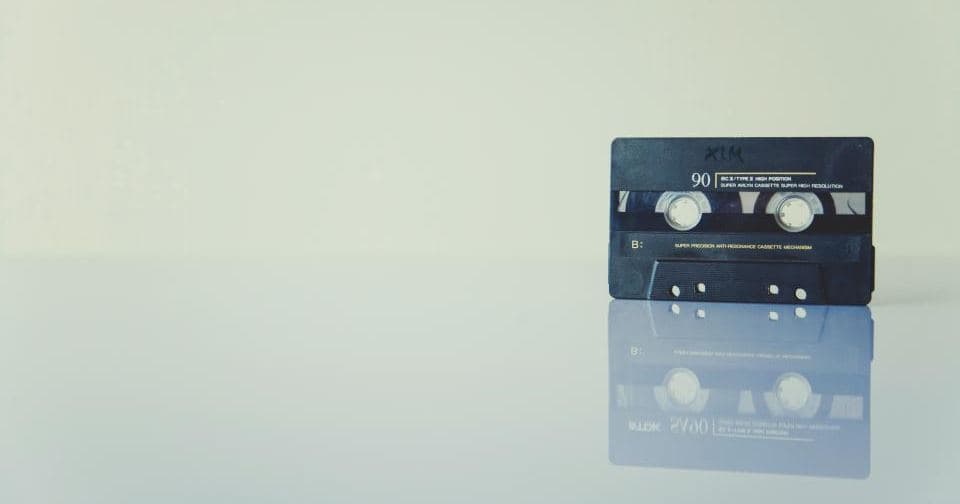
A thirty-second voice note can out-convert a page of written quotes, but only if it says something. Most audio testimonials ramble: a warm hello, three adjectives, an awkward goodbye. Pleasant, forgettable, gone.
The good ones follow a shape. Not a script (a scripted voice sounds worse than text), but a handful of beats that turn a kind customer into a persuasive one.
Below are three example clips, written out the way they would sound. All of them are illustrative patterns we composed for this post, not recordings of real ProofEcho customers. Steal the structure, never the words.
What makes a great audio testimonial?
A written testimonial is edited by default: the customer types, deletes, retypes. Audio is raw. That rawness is exactly why it works (voices are hard to fake), and exactly why an unguided clip drifts.
The persuasive ones hit four beats in under a minute: where they started, what changed, one concrete detail a listener can check against their own life, and the doubt they had before buying. Order barely matters. Presence does.
Example 1: the before-and-after
Imagine a 35-second clip from a freelance designer that sounds like this:
"So before this I was chasing clients over email for feedback, like, every single project. Um, now I just send the link and it's... done? I checked last month and I'd saved something like four hours a week. Which on my rates is real money. Anyway. Wish I'd started sooner."
Notice what carries it. The before-state is specific enough to be recognizable (chasing clients over email). The after has a number the listener can price out. And the "um" and the "anyway" stay in, because they are what a real person sounds like.
Example 2: the objection flip
The most valuable sentence a customer can say is the reason they almost didn't buy. Picture a 30-second clip like:
"Honestly I thought it was going to be another tool nobody on the team opens. That was my whole hesitation. Three weeks in, it's the tab I keep open all day. I was just... wrong about that one."
Every prospect listening has the same fear. Hearing someone voice it and then dismiss it, in their own words and their own tone, does what no FAQ section can.
Example 3: the moment it clicked
Stories beat summaries. A clip that recounts one specific moment lands harder than one that evaluates the whole product:
"There was this Tuesday where a client asked for the report and I just, sent it. Ten seconds. She replied 'wait, already?' and that's when I knew. That 'wait, already?' is why I'm still here two years later."
One scene, one quoted reaction, one timestamp of loyalty. A listener remembers the scene long after they forget the product category.
Patterns worth copying
Across all three examples, the same rules are doing the work:
- Under 60 seconds. The best clips end before the listener thinks about skipping.
- One idea per clip. A before-and-after, or an objection, or a moment. Never all three.
- A checkable detail: hours saved, a day of the week, a quoted reply. Concrete beats glowing.
- The stumbles stay. "Um" and self-corrections are authenticity you cannot add back in editing.
- No product feature tour. The customer describes their life, not your interface.
How do you collect audio testimonials like these?
You get rambles when you ask "could you say something nice about us?" You get the clips above when your prompt hands the customer a starting beat: "What did your week look like before, and what does it look like now?" or "What almost stopped you from signing up?"
The mechanics matter less than the prompt, but they still matter: one link, record in the browser, replay before sending. That flow is what audio testimonial software exists for. And if you are still deciding between formats, we compared them in text vs video vs audio, or start with the full audio testimonial guide.
Quick questions
- What should an audio testimonial say?
- A strong audio testimonial covers one idea in under a minute: what the customer's situation looked like before, what changed, and one concrete detail such as hours saved or a specific moment. The reason they almost didn't buy is often the most persuasive thing they can voice, because listeners share that same doubt.
- How long should an audio testimonial be?
- Thirty to sixty seconds. That is long enough to tell one before-and-after story with a concrete detail, and short enough that a visitor presses play without weighing the time cost. Clips past ninety seconds usually contain two testimonials worth of material and should be split into separate asks.
- Should I edit out the ums and pauses?
- No. Hesitations, small laughs, and self-corrections are what make a voice unmistakably real, and listeners discount audio that sounds produced. Trim dead air at the start and end, fix loudness if needed, and leave the human texture alone.
Keep reading
 Performance
How to Embed Video Testimonials Without Slowing Down Your Site
Video testimonials convert, but one autoloading embed can outweigh your whole page. Four rules to add video proof and keep your Core Web Vitals green.
· 6 min readRead Display
Wall of Love That Converts: 5 Curation Rules That Make It Sell
Most testimonial walls are a junk drawer. Five curation rules that turn yours into a page that actually convinces skeptical visitors to buy.
· 5 min readRead Trust
TrustWhat Makes Testimonials Believable: 5 Traits of Credible Proof
A testimonial nobody believes does nothing. The five traits of credible proof: real names, specific numbers, honest flaws, real results, and fresh dates.
· 5 min readRead
Put this into practice with real proof.
Free plan. No credit card required. Your first testimonial form is live in under five minutes.